
TREATMENT METHODS
Soft tissue techniques in Poznań: tension, scars, and fascia
Deep tissue, IASTM, myofascial release, taping, and cupping are tools for working with muscles, fascia, and peri-articular tissues. Used when clinically indicated, never as a routine.
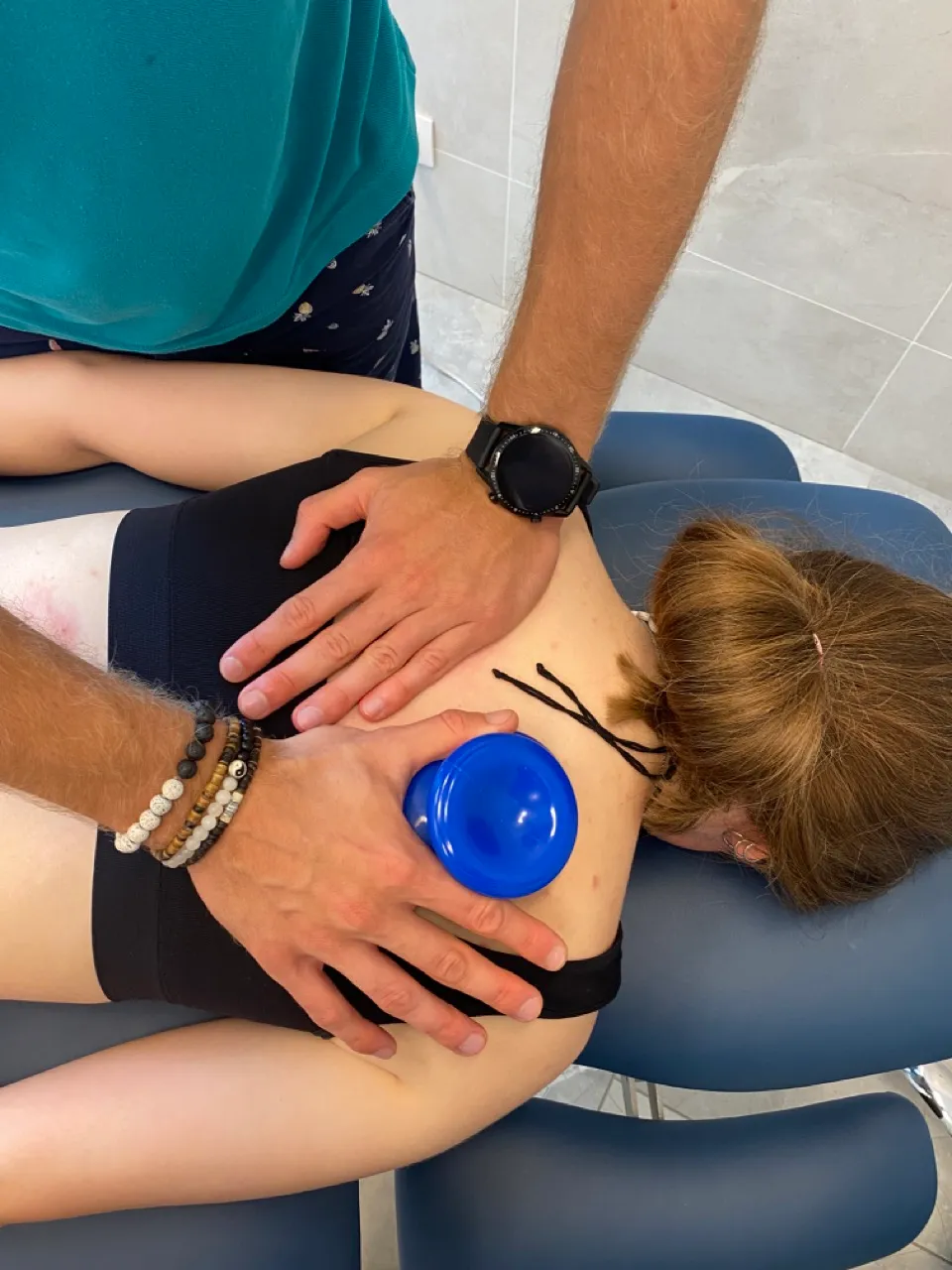
Soft tissue techniques in one place
Under this heading sits a group of manual techniques working on muscles,
fascia, and peri-articular structures. I apply them selectively, depending
on what each problem requires.
IASTM (Instrument-Assisted Soft Tissue Mobilisation). The lead-in
technique of this group. I use specialised tools to diagnose and mobilise
musculofascial structures. The instruments enable:
- deep penetration into areas inaccessible with bare hands
- a local inflammatory response that stimulates remodelling and
reabsorption of abnormal collagen - a mechanoreceptor response that reduces tension and pain
- improved microcirculation and lymph flow that supports recovery
Clinical indications: chronic tendinopathies (tennis elbow, Achilles
tendinopathy), post-surgical and post-traumatic scars, spine pain, overuse
injuries (ITBS, shin splints), fascial restrictions.
Deep tissue and myofascial release. Classical hands-on work on deep
layers of muscle and fascia. Less advanced than IASTM but often sufficient,
especially for fresh tension or recovery work.
Kinesiology taping. Supports proprioception, lymphatic drainage, and
offloading of tense muscle groups. I apply it after sessions so the manual
work effect lasts longer.
Chinese cupping as a traditional adjunct. Fire and pressure cups, a
traditional method creating suction on the skin. Supports vasodilation,
blood and lymph circulation, and reduces muscle tension. I use it as an
adjunct when clinically warranted, not as a routine. After treatment
characteristic round marks may appear and fade naturally over a few days.
Safety. IASTM and deep tissue do not break the skin. Instruments do
not cut. They may cause discomfort, mild pain, or point tenderness.
Redness and short-lived muscle fatigue post-session is a natural recovery
response.
INDICATIONS
When I use soft tissue techniques
Chronic tendinopathies
Tennis elbow, Achilles tendinopathy, carpal tunnel syndrome. IASTM is first choice.
Post-surgical scars
Mobilising scars after ACL, shoulder, spine surgery. Restoring elasticity.
Endurance sports
Running, triathlon. Faster recovery after long efforts, DOMS reduction.
Fascial restrictions
Musculofascial movement limits. Myofascial release and IASTM combined.
Overuse pain
ITBS, shin splints, recreational athlete overuse syndromes.
Spine pain
Neck, shoulder, back. Deep tissue and IASTM as a complement to manual work.
Common questions
Does IASTM damage skin?
Does cupping leave bruises?
How many sessions to fade a scar?
Does taping replace therapy?
Can I exercise after a session?
Related treatment methods
Soft tissue techniques are rarely the only tool. I combine them with the following.
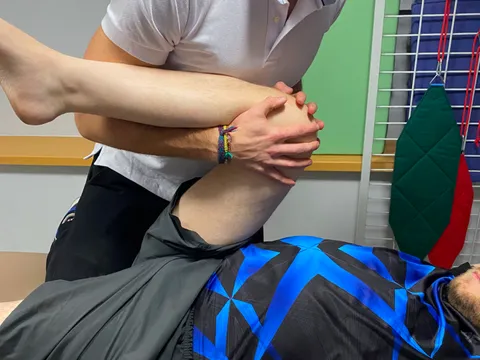
Manual therapy in Poznań: the foundation of every visit
Manual joint and muscle work as the foundation of the visit, soft tissue techniques as reinforcement.
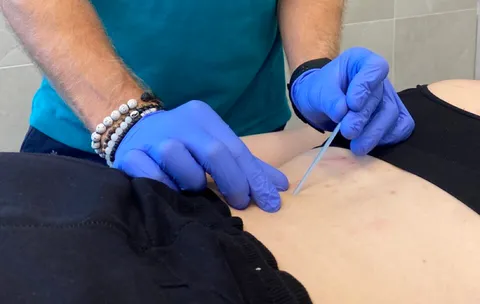
Dry needling in Poznań: precise trigger point release
Dry needling, more precise on specific trigger points; IASTM for broader fascial dysfunction.
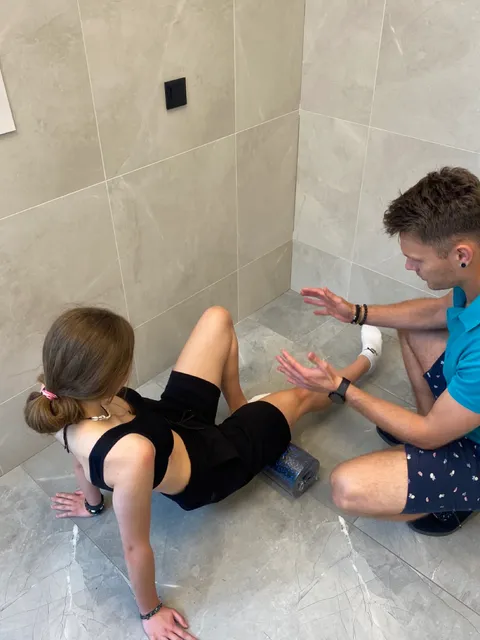
Medical training in Poznań: learn how not to come back with the same problem
Exercise plan locks in manual and fascial work results. Without exercise, results regress.
Book a soft tissue therapy session
No referral, no waiting lists. I use these techniques only where they genuinely help, no routines.
Book a visit